AI Is Moving Into Your House: Why I Am Investing in a Local AI Computer in 2027 — and It Is a Better Investment Than a Rolex
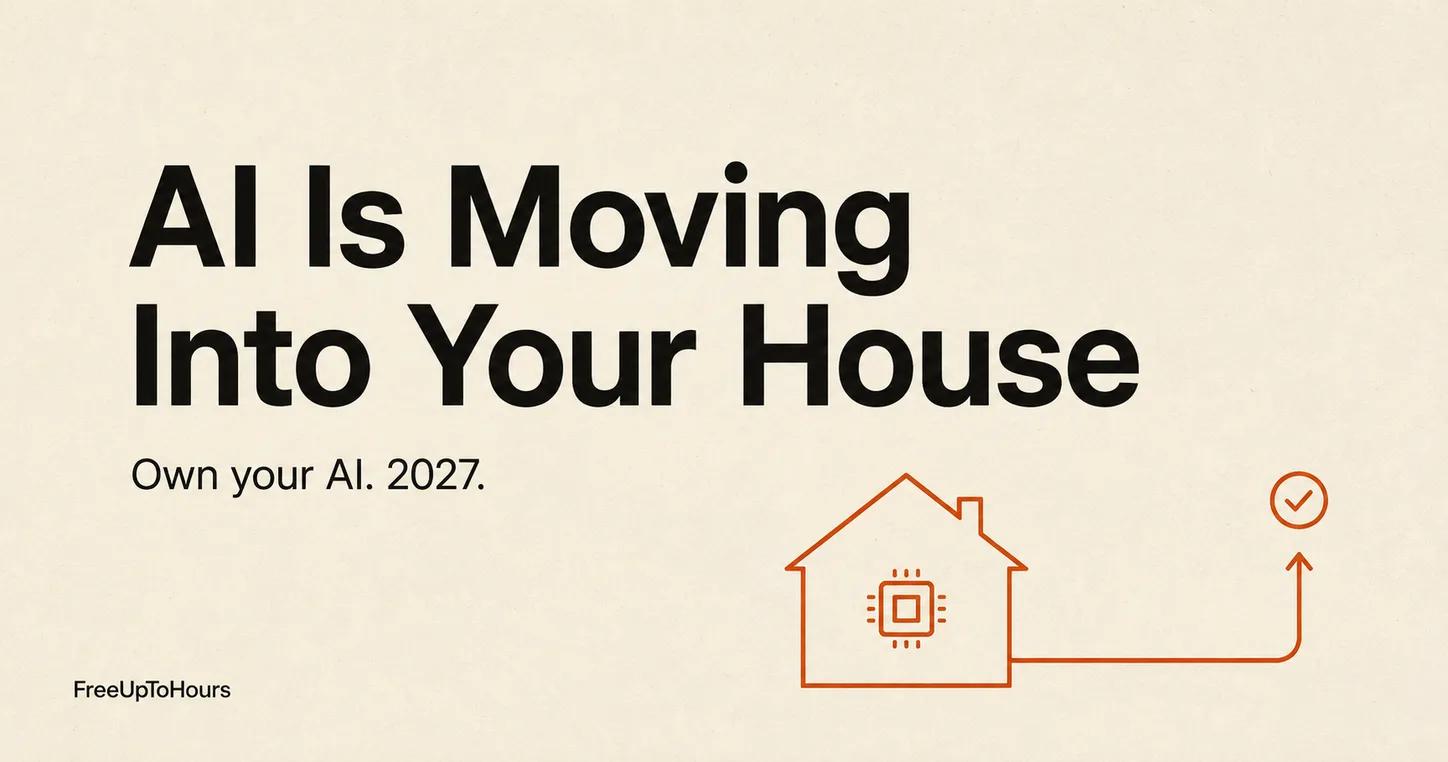
I believe AI is moving into your house — and I am willing to invest in 2027 to own a machine that runs it.
That is a forward-looking claim, so let me be precise about where I am standing when I make it. Right now, my own business runs entirely on cloud subscriptions. My computer is an i9 with 32 GB of memory — it cannot run the serious models locally, so I rent them. OpenCode and Command Code, $10 each a month, for my daily coding and content. OpenRouter, running DeepSeek V4 Flash, answering 30,000 inquiries a month for my business. And underneath all of it, the open-source Flash family — GLM 5.3 Flash, DeepSeek V4 Flash, Qwen 3.8 Flash — getting more efficient every release cycle.
The Road I Actually Walked
In February there was no AI in my business at all. Then I started with Claude Code at $20 a month — limited, yes, with usage walls, but it helped my business grow a lot. That is the honest first chapter: a subscription with limits that still paid for itself, because it was cheaper than staying where I was.
Then I switched to open source, and I have been happy running it. The Flash models out of China are getting better very efficiently — GLM, DeepSeek, Qwen — and as I have written before, they now kick the tires off the premium subscription models I used to pay for. Each step was cheaper and more capable than the last. That is the pattern this post is betting on continuing: models getting small enough and efficient enough to leave the cloud entirely.
Why Own the Machine? The Privacy Argument
The cloud is convenient, and I use it every day. But there is a category of use where renting will never be the goal: when your own business data, your personal information, and your clients' details need to stay in your house. A local AI computer keeps your AI where your files are. No third party holds your prompt history, your customer list, or your business secrets — because nothing leaves the machine.
That is the argument that makes local the goal for me, not just a cheaper hobby. I want a secured AI for my business, with my information secured and in my own hands. For now, since my own computer cannot run the models, I need the cloud subscriptions to keep my business growing — marketing and automation first, quality work today. But the direction is clear: the machine comes home when the hardware and the models both make it honest.
What Runs on a 2027 Local Machine
When that machine arrives, here is what I will point it at — and every one of these is running today on rented cloud, which is exactly why I trust the local version of it:
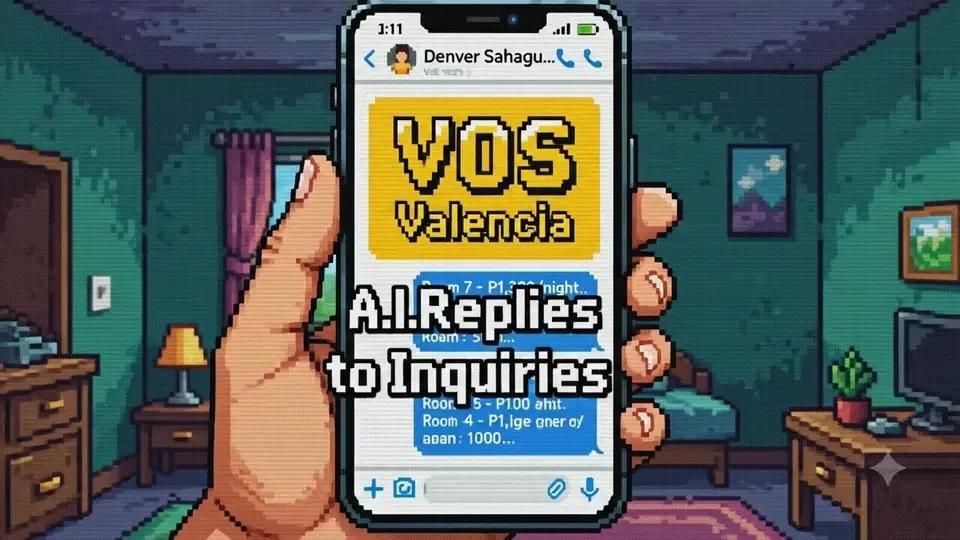
- My 30,000-inquiry chatbot — the same DeepSeek V4 Flash workload, running under my own roof instead of on OpenRouter.
- My personal websites, and the new apps I intend to build — no per-project cloud bills, one box for everything.
- Chatbot applications and automation I build for other businesses — my agency's entire build machine, locally.
- My personal AI — the assistant layer for daily life, reminders, and the agentic automation that runs my business while I sleep.
That is the vision: one local computer running the entire system I currently rent piece by piece. Not a dream hardware build — every workload in that list already exists and already runs. The only question is where it runs, and 2027 is my answer for when it stops being cheaper to keep it in the cloud.
The Hardware I Am Watching
The machine class I am watching is the AI-lab computer — DGX Spark is the name people know, a small-form-factor box designed to run AI locally. The Flash models that power my business can already run on this class of hardware, which was not true a year ago for models this useful. And I am not married to one vendor: I am watching what Xiaomi AI brings, and others, because we really do not know who will have the best machine of 2027.
The honest facts as I know them: it is still expensive, and today it runs local Flash-based models well. The bet is on the trend — AI getting more efficient, models running in smaller memory. Before, it was impossible to run a useful model on a computer. Now there are a lot of Flash models that are very efficient. I really do not know the wattage, I really do not know the final 2027 price, I really do not know which vendor wins. What I know is the direction — the same direction I have watched close-source to open-source, subscription to ownership — and it has been right three times already.
Why This Is a Better Investment Than a Rolex
People will look at a 2027 super AI computer's price tag and say it is a luxury purchase. It is not a luxury; it is the opposite. A Rolex is a store of value that sits on a wrist. A local AI computer is a tool that compounds — it runs your business at midnight, builds your next app, answers 30,000 inquiries without asking for a salary, and keeps your data in your own house while it does. The watch depreciates the moment you wear it. The machine makes back its price, and then keeps making.
The real asset I am investing in is not even the hardware — it is the knowledge I am building between now and 2027. Every month I run my business on these models is a month of knowing exactly what to point the local machine at. When the hardware arrives, I will not be learning; I will be moving. That is the difference between buying a computer and buying the ability to use one.
Who Should Not Buy a Local AI Computer
If you have not automated anything yet — no chatbot, no follow-ups, no daily content system — a super AI computer is the wrong purchase. Buying hardware before the system works is the trap: you will own an expensive box that runs nothing you actually use. The same rule that applies to my chatbots applies here: build the demand and the workflow first, then invest in running it locally.
The order that works: learn the models on the cloud (it is cheap enough now), get your business growing on them, and let the local machine become the obvious next step only when your workloads already justify it. For most owners, that means watching 2027 from the sidelines with a working cloud system — which is exactly where I am standing today, sharing what I see.
The Proof of the Foundation
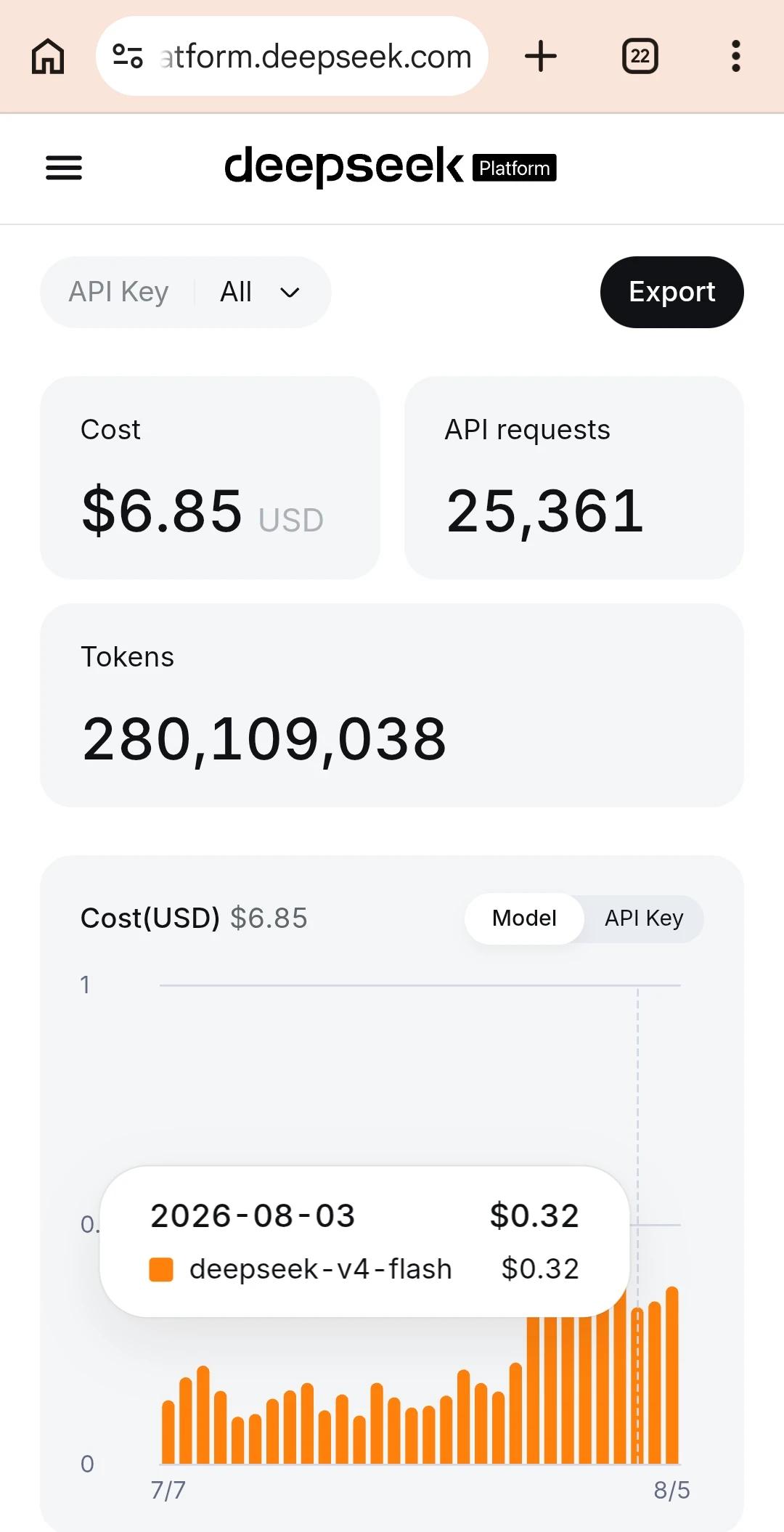
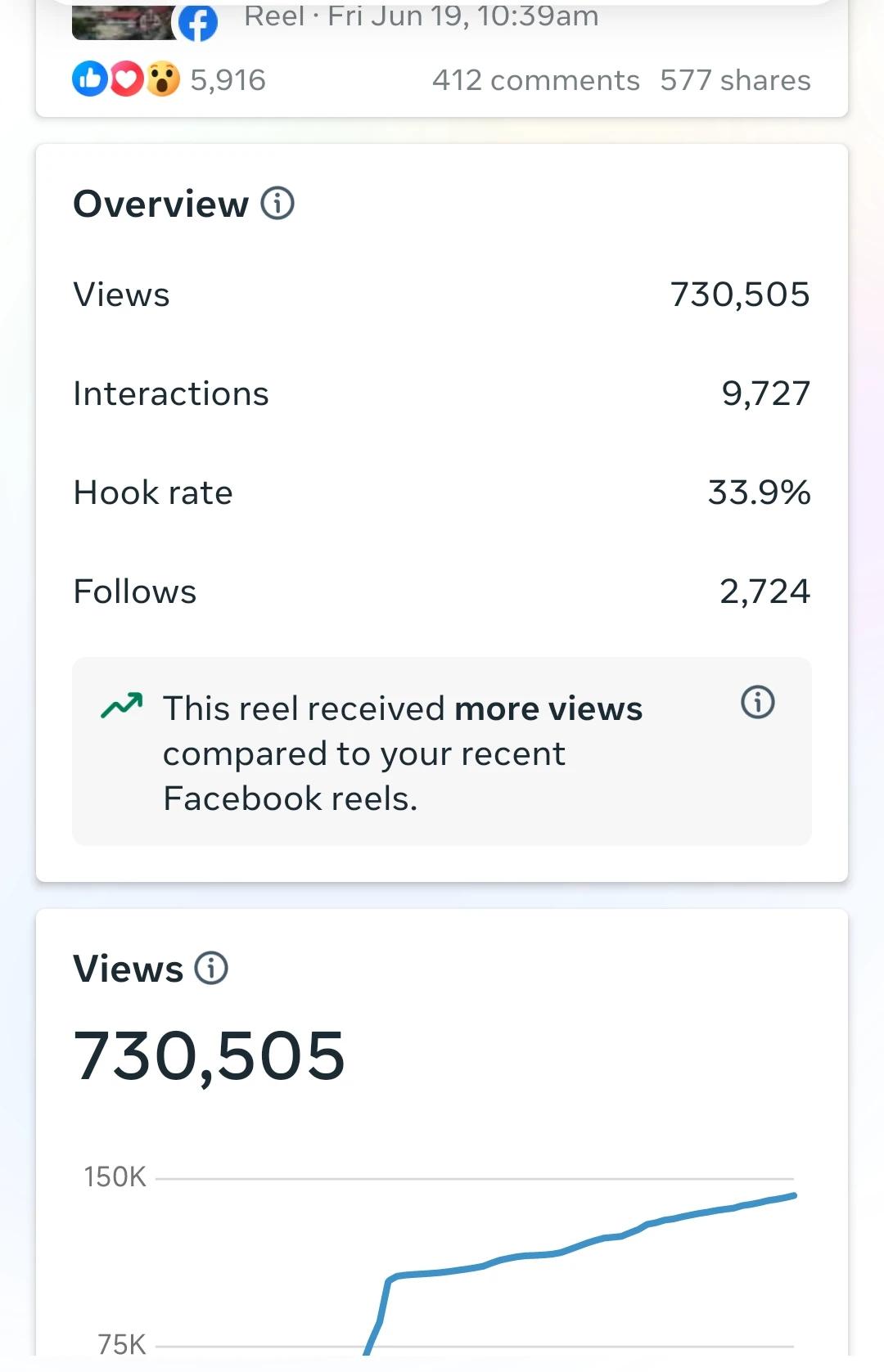
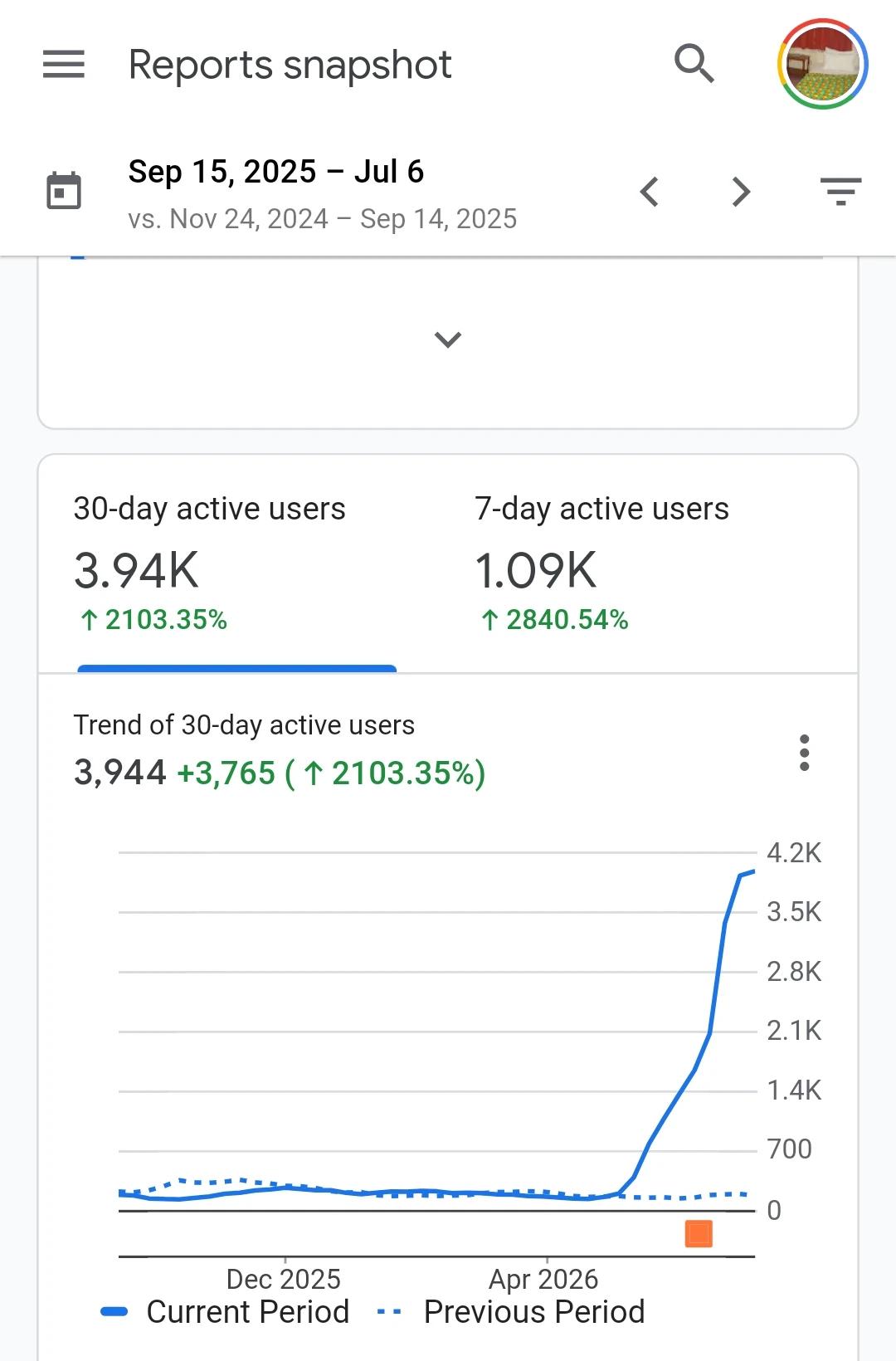
Every result behind this post is a screenshot on my phone — raw, no AI editing, no studio polish. The 25,361 messages answered for $6.85. The 730,505-view reel. The Google Analytics line up 2,103 percent. The 44,682 followers. The 30,000 inquiries a month the models answer while I sleep. That is the power of having AI knowledge to grow your own business — and it is the same knowledge that tells me the machine is coming home.
The One Thing to Remember
AI models are shrinking toward your own computer. The same open-source Flash models I run my business on today will run in your house tomorrow — and owning your AI, with your data in your home, is a better investment than a Rolex. I am building the knowledge now so I am ready when the machine arrives, and I am waiting for 2027 to see who wins. This is my personal knowledge, and I am sharing it because that is the whole point of having it: the people who see the direction early are the ones it rewards.
The $40 Subscription Is Dead: Why I Switched My Whole AI Stack to Open-Source Models
The chapter before this one — closed source to open source, and the cost math that started this direction.
Which AI Model for Which Task? The Real Stack I Run My Business On
The full model-to-job map behind the workloads this post says will one day run locally.
The Follow-Up Is Where the Sale Happens: AI Reminder and Follow-Up Automation
The agentic layer that runs 24/7 — the exact class of automation a local machine would host for you.
Frequently asked questions
Is it realistic for a small business to run AI on a local computer?
What does a local AI computer actually cost?
Why own an AI computer instead of just renting the cloud forever?
Can a local machine really run a 30,000-inquiry chatbot?
Is this just speculation?
What should a business owner do today, before 2027?
Want the same system for your business?
I'll set up AI automation for your business — just like I did for mine.