GPT-6.1 Sol vs Claude Opus 5.5 vs Sonnet 5.5 for Building
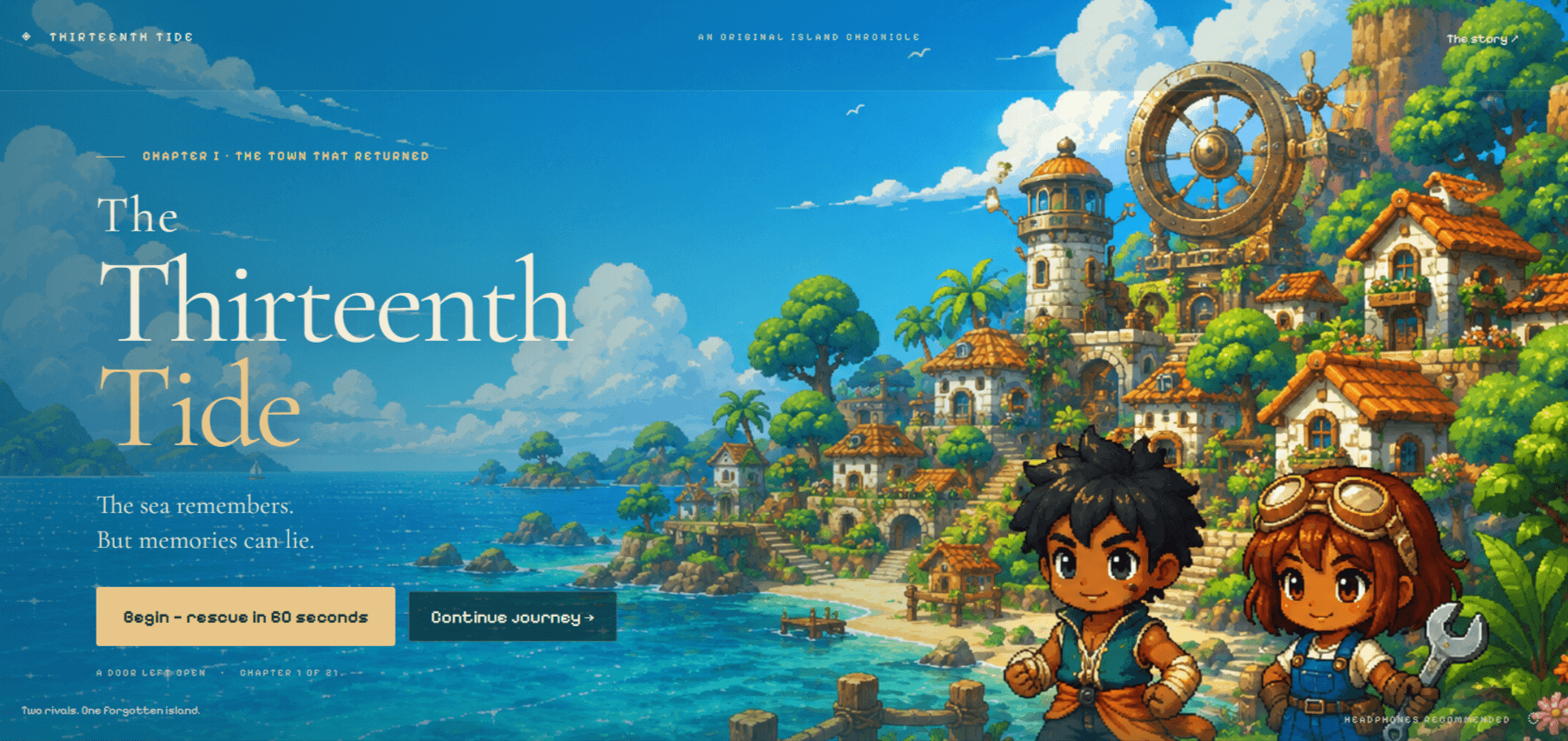
GPT-6.1 Sol and Claude Opus 5.5 are my two current picks for building apps and exploring game development. I have also used Claude Sonnet 5.5, but I prefer the other two. That is my working opinion, not a lab ranking. Right now I am building a horror game and an adventure game, and both are still works in progress.
The Business Automation Came Before the Games
My local business uses AI across repeatable work in messaging, email, and Google Sheets, alongside SEO, content, and social media. I am still tuning the automation to cost less and run better. I am not saying every part of the business runs perfectly or that these three model versions power every workflow.
The change I can describe from my own life is that I have more room to take on other projects. Once the repeatable work was automated, I started exploring apps, advanced automation, and game development. The games are a hobby today. A hobby might become something I can sell, but I have not released or sold these projects.
I told the longer version in “Tourism Crashed and a War Was On. I Rebuilt My Baguio Business With $20 of AI.” The useful connection here is the sequence: I worked on the business system first, then used the time it freed to try building something new.
What I Mean When I Say “Agentic”
I have described Opus and GPT-6.1 Sol as more agentic for my work. What I mean is practical: game development feels more possible to me with these models helping me build. I used to think creating a game required technical experience I did not have. Now I can make progress on two different game ideas.
That is a personal experience, not proof that a model is AGI or can finish a game without direction. I do not have a timed comparison, a scorecard, or a completed game to use as evidence that one model reliably wins. I am satisfied with these two, and that is the claim I can stand behind.
My Current Take on the Three Models
Here is how I would describe my current use as of September 30, 2026. I have not run a controlled head-to-head test, so the table describes my preferences rather than measured performance.
| Model | What I can say from experience | My current choice |
|---|---|---|
| GPT-6.1 Sol | One of my two favorites. I use it while exploring apps and game development. | I would keep it in my shortlist for a build I want to take further. |
| Claude Opus 5.5 | My favorite Claude model, and one of the two I prefer overall. | I reach for it when I want Claude’s help on an ambitious creative project. |
| Claude Sonnet 5.5 | I have used it too, and it is a model I can work with. | It is still an option, but I currently prefer Opus and GPT-6.1 Sol. |
That is not the same as saying Sonnet is bad or that the other two will be better for every person. I have not measured their cost or output quality on the same tasks. For my broader model-to-task thinking, I have another article called “Which AI Model for Which Task? The Real Stack I Run My Business On.” This post is narrower: it is about the three models I am reaching for while I build.
How I Would Choose One for Your Project
If you are deciding between these models, do not begin with the question of which one is “the smartest.” Start with a task you can finish and check. For a game, that could be one small playable mechanic or one screen with a clear interaction. For a business, choose one repeatable workflow with a clear input and a clear result.
- Give each model the same bounded task and the same project context.
- Check the result in the app or workflow where it is meant to work, not only in the chat window.
- Track how much correction it took, whether it stayed within scope, and what it cost you to get a usable result.
That simple comparison will tell you more about your work than a broad online ranking. If Sonnet completes your task with less effort or cost, use Sonnet. If Opus or GPT-6.1 Sol gives you a result you prefer, that is a good reason to choose them for that project. A model earns its place by helping you finish the job.
AI Makes Starting Easier; It Does Not Make the Game for You
The two games I am working on are not finished products. I am still discovering what I can build and how far I can take each idea. The fact that I can start creating a horror game and an adventure game is meaningful to me, but it is not the same as saying either one is ready to sell.
In my earlier game-development post, I wrote about the gap between a promising first output and a game with enough gameplay to keep someone playing. That remains a useful way to think about AI-assisted development: the model can help you move, but you still need to decide what the game should be and whether the result works.
Who This Comparison Is For
This comparison is for business owners and curious builders who want to try apps, automation, or games with a capable AI model. If you want a published benchmark or a cost-per-game verdict, this is not that. I have not done those tests.
For business owners, my advice is to begin with repeatable work that consumes time every week. Get one useful workflow running, keep improving its cost and reliability, then decide what to build with the time you recover. For hobby developers, begin with a small playable piece and keep testing it. Hindi kailangan matapos lahat ngayon. One working step is enough to keep going.
The One Thing to Remember
My current favorites for building are GPT-6.1 Sol and Claude Opus 5.5. I also use Sonnet 5.5, but I reach for Opus more often. That is an honest snapshot of my work on September 30, 2026—not a promise that these are the best models for every task.
The bigger change for me is what I can attempt. AI automation supports my local business, and I now have time to explore games and apps. The business came first; the creative projects came after. Kaya mo ’to.
Tourism Crashed and a War Was On. I Rebuilt My Baguio Business With $20 of AI
The business story behind the automation that gave me room to work on new projects.
Which AI Model for Which Task? The Real Stack I Run My Business On
My broader model-to-task approach across software, customer chat, content, and other business work.
Can AI Make a Whole Game? My Honest Answer After 16 Hours Building a Filipino JRPG
What I learned about the work between a promising AI output and a game with real gameplay.
Recommended Baguio Stays
If you are planning a Baguio workcation while building your own project, here are three local stays to explore:
Frequently asked questions
Are GPT-6.1 Sol, Claude Opus 5.5, and Sonnet 5.5 the three best models?
Which model do you prefer for game development?
Have you used Claude Sonnet 5.5?
Can these models build a finished game on their own?
What does “agentic” mean in this article?
Want the same system for your business?
I'll set up AI automation for your business — just like I did for mine.