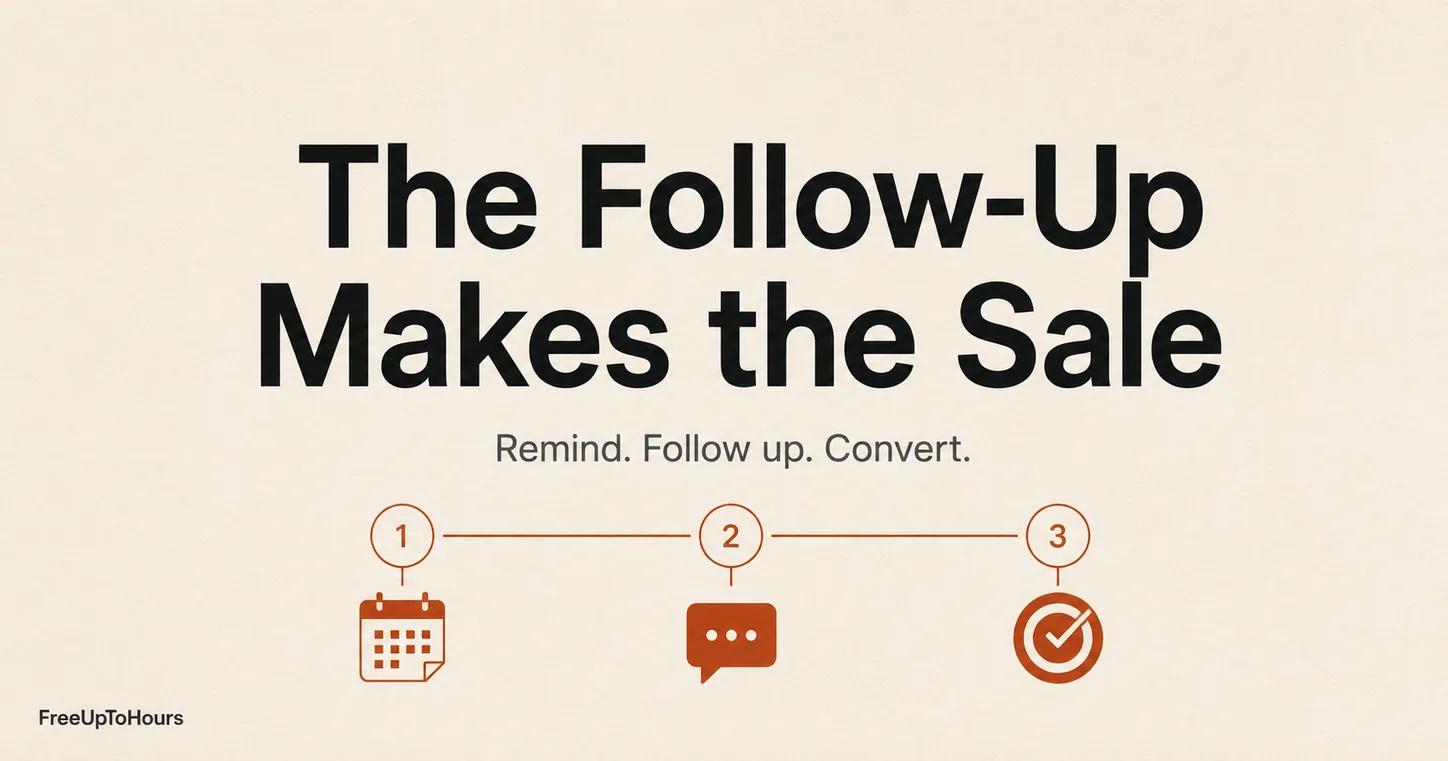
The Follow-Up Is Where the Sale Happens: AI Reminder and Follow-Up Automation for Philippine Businesses
About 10% of my inquiries would have converted. But they were being forgotten.
That number is not a guess from a marketing report. It is my own business: leads that went quiet, clients who simply forgot to reply, inquiries that went cold purely because nobody followed up in time. When I finally added a follow-up system, some of those dead inquiries still converted to sales. The question this post answers: why do reminder and follow-up automation matter for leads and lost sales in the Philippines — and why did open-source Flash models make the right timing finally cheap and efficient?
From Generative to Agentic: The Real Before and After
Before, I used AI for generative information. Ask it something, get an answer, go back to doing the work myself. That is what most people still think AI is — a smarter search box. It converts content, and that is about it.
Now I run agentic AI. It runs 24/7 on my computer, across my whole business — Node.js, Next.js, the DeepSeek API, automation that just runs. This is my brain now: any updates, I build them in, and it gets all the data. It reminds me, it follows up, it catches what I would forget. Generative AI converts content. Agentic AI converts leads. That is the whole difference, and this post is about the second one.
Why Follow-Up Is the Forgotten Layer
Everyone builds the front door. The website, the chatbot, the ads that bring the lead in. Nobody builds what happens after the lead says "how much" and then goes quiet. But that pause is where the sale actually lands.
In my business, around 10% of inquiries needed a follow-up to convert. That means without the system, I was quietly leaving about one in ten customers on the table — people who asked, meant to reply, and just needed one gentle nudge at the right time. And those are the cheapest sales you will ever recover, because the ad already paid for the click. The follow-up is where the ad spend stops leaking.
This matters twice as much when your leads come from Meta ads. Ads are expensive. You pay for every click, every inquiry, and if the conversation goes cold after one message, you paid for a lost sale. A follow-up system is what recovers the "lost" ones — the clients who forgot, the leads who got busy, the inquiries that needed a second touch and never got one. Same ad spend, more sales landed. That is the whole economics of this layer.
The Contrarian Take: Everyone Sells AI Slabs
Everyone is selling AI slabs right now — a chatbot pinned to a website that answers questions and does nothing else. It does not really do anything for your business by itself. It just sits there, converting curiosity into more conversation, while the lead still goes cold because nobody follows up.
The difference in my business: AI really grows it. Inquiries, follow-ups, reminders — the whole system automation. What you are really doing when you build all of it is hiring a person — and open-source models right now are very powerful, so it is becoming cheaper than hiring a person. The slab is a feature. The system is an employee.
How the System Actually Runs
Here is what a day looks like in my setup, because the how matters more than the promise:
- Morning: my custom reminder dashboard loads everything I need to do today — the reminders for my own business, laid out before I start. It is like my Jarvis. I built it, I update it, and it gets all the data.
- Leads land from Meta ads into Messenger and the lead sheet, captured with the conversation intact — nothing lost to a missed message window.
- Follow-ups go out on a schedule: a soft check-in for the quiet lead after a couple of days, a more direct touch after a week, reminders before appointments and bookings so nobody forgets.
- Evening reminders close the day — the same dashboard keeps the loop for tomorrow while the system runs on overnight.
The whole thing sits on the stack I run my business on: Node.js and Next.js on my computer, the DeepSeek API running 24/7, Google Sheets as the accessible layer — because most owners do not live in dashboards, but every owner can read a sheet. The reminders, the follow-ups, the lead statuses, all of it, visible and editable in a tool anyone already knows.
And the models under it are the open-source Flash family — GLM 5.3 Flash, DeepSeek V4 Flash, Qwen 3.8 Flash. They are powerful, they are cheap, and they are getting cheaper and more powerful every release cycle. Models are not just Claude and ChatGPT anymore. China's open-source models are quality, and the timing has never been better to run an always-on system on them.
The Humanized Output Nobody Skips
People hate AI slop. They can smell a robotic follow-up from the subject line, and a spammy reminder kills the lead it was trying to save. The difference is the layer on top.
I run every system with marketing skills on the output — copywriting and humanizer passes that keep the messages sounding like a person, not a template. The follow-up asks a real question. The reminder sounds like a shop that remembers you. The models are powerful enough now that a good prompt plus a humanizer pass makes the output genuinely human. If it sounds like a robot, nobody is doing the job right — and that is not a reason to skip the system, it is a reason to build it properly.
What This Actually Costs
The old answer was: hire someone. A follow-up person for a small business is real money every month — and then they get sick, or they forget, or they quit and the lead list goes with them. The new answer costs less:
| Approach | Monthly cost | What you get |
|---|---|---|
| Manual follow-ups by staff | A salary — and forgetfulness, sick days, and attrition | Follow-ups only while someone remembers to do them |
| Custom automation on open-source Flash models | Under ₱2,499/mo all-in with lead automation — chatbot, follow-ups, and ads management | Follow-ups and reminders running 24/7, nothing forgotten, humanized output |
The all-in plan I build is ₱2,499/month — lead automation, the chatbot, and Facebook ads management together, with a 7-day free trial. For a business recovering even one lost sale a month from follow-ups, it has already paid for itself.
Who Should Not Do This Yet
If you have no leads yet — nothing coming in, no ads, no inquiries — do not build the follow-up system first. There is nothing to follow up on. Build the visibility layer first and earn the leads. And if you will not keep the lead list current, the system will quietly follow up on stale names — the list is the fuel. But if you are already paying for ads or already watching inquiries go cold, you are actively leaking sales, and this is the cheapest layer to stop the leak.
The Proof
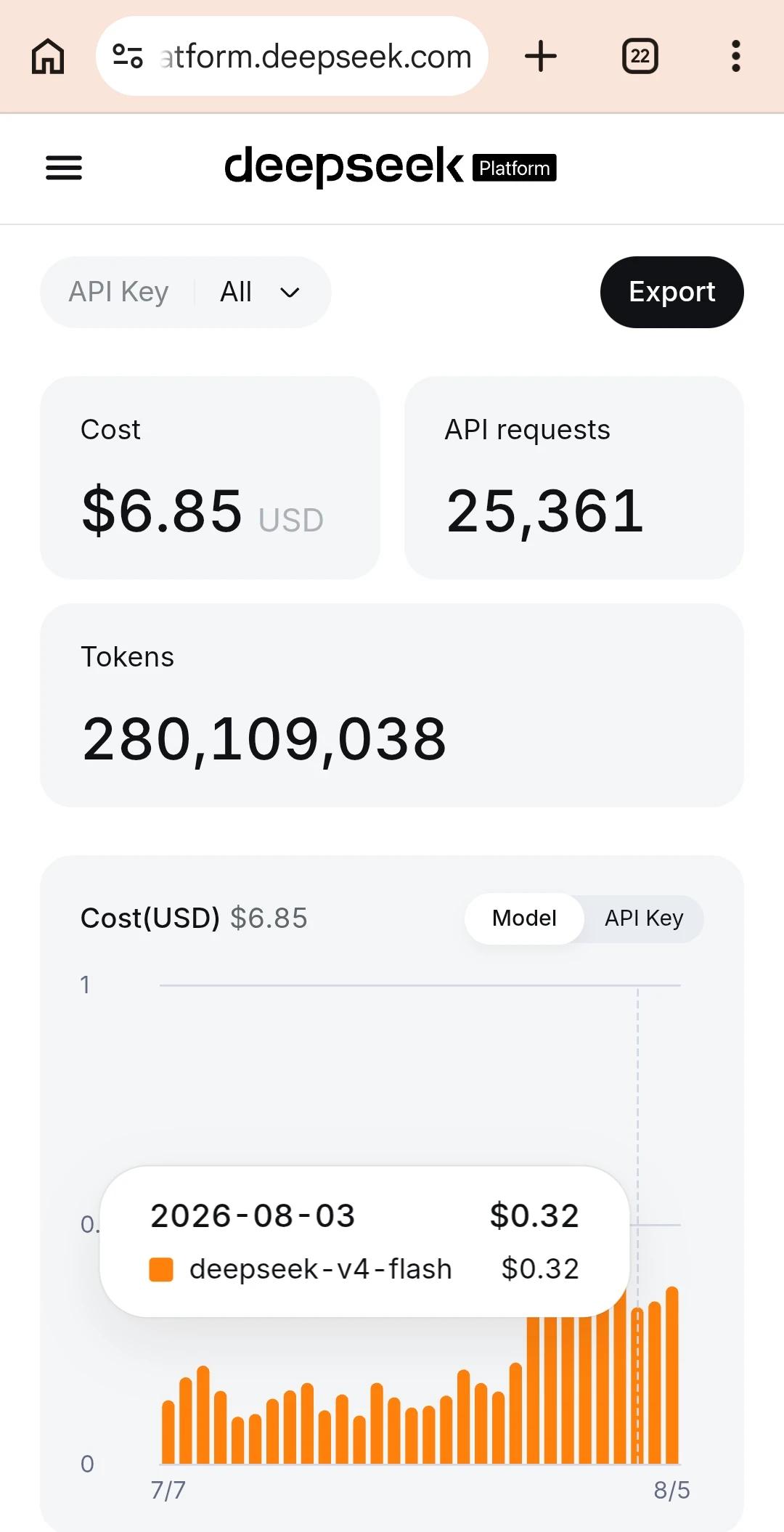
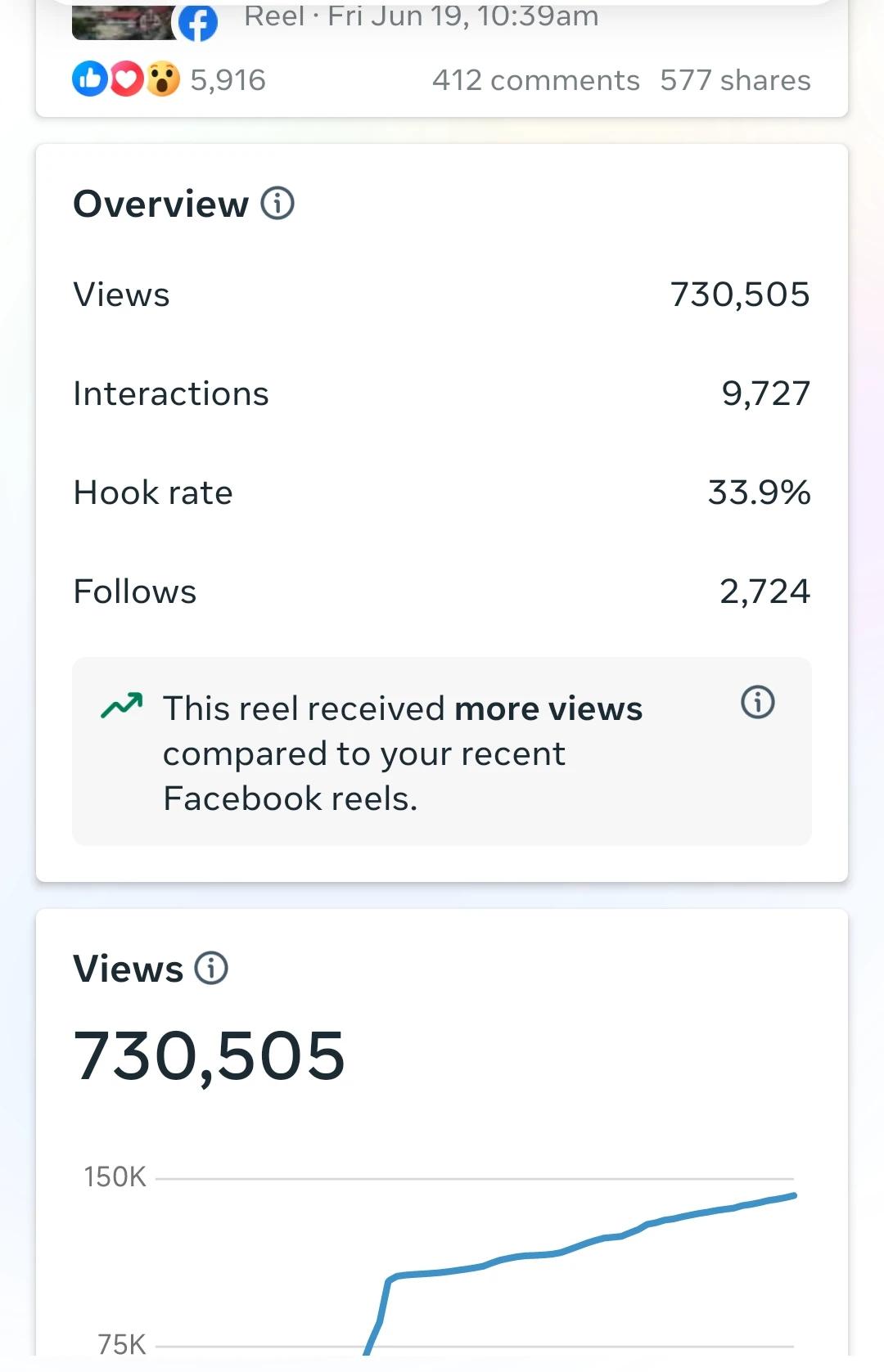
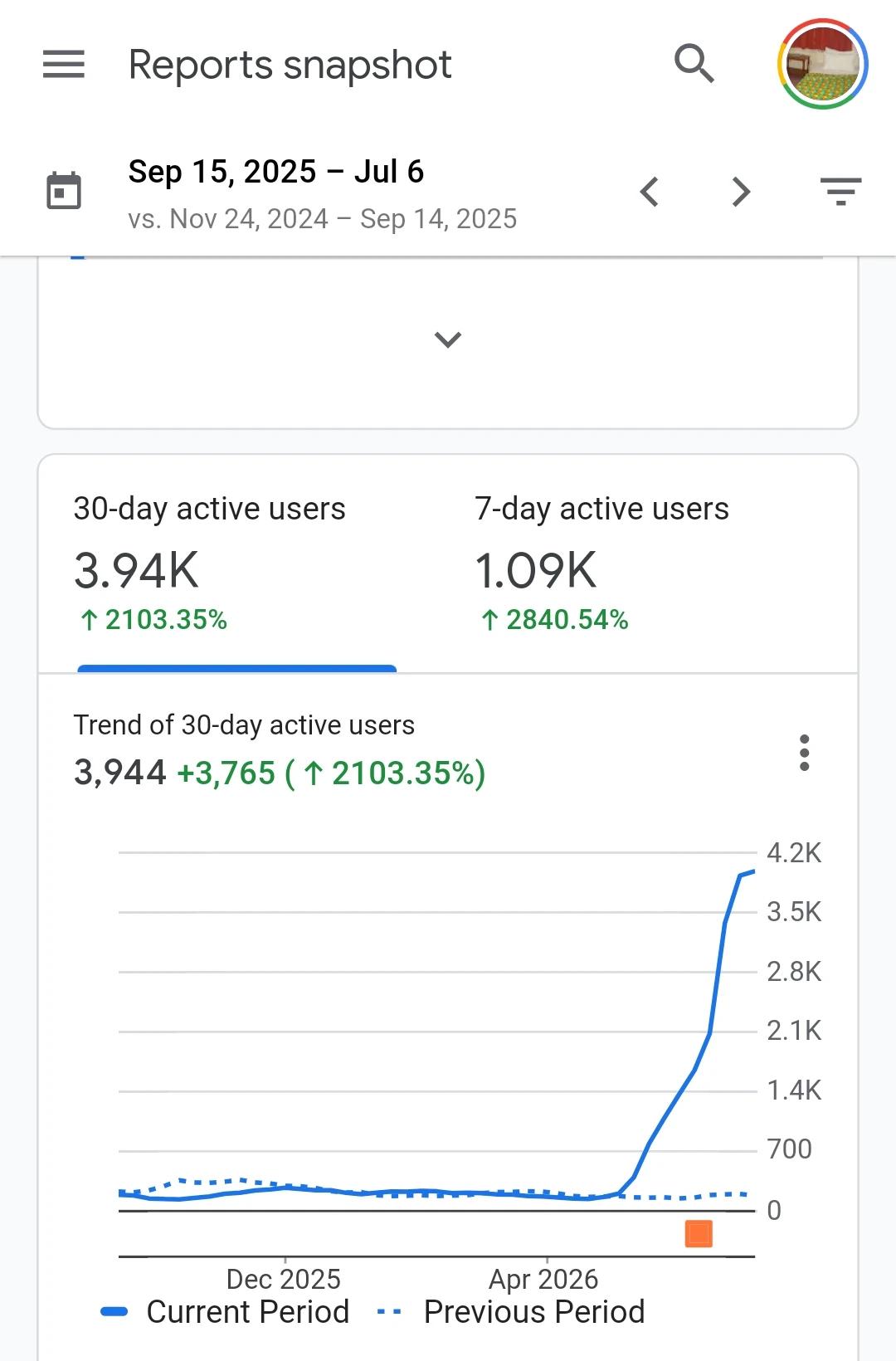
Screenshots from my own phone — my own growth, my own business. Same machine, same stack, same order.
The One Thing to Remember
Your ad buys the lead. Your chatbot catches it. Your follow-up system converts it — and with open-source Flash models, hiring that 24/7 employee finally costs less than hiring a real one. The business that follows up wins the sale, every time, because the sale was always there waiting for the follow-up that never came.
And the last thing about the bigger picture: everyone can use generative AI to convert content. That is the easy part, and it is how most people use AI. But if you use it in your business and it grows — you are already using the most efficient way to use AI there is.
The $40 Subscription Is Dead: Why I Switched My Whole AI Stack to Open-Source Models
The models behind the system in this post — GLM 5.3 Flash, DeepSeek V4 Flash, Qwen 3.8 Flash — and the cost math that made an always-on follow-up layer finally affordable.
What Tasks Can AI Automate and Grow Your Business Right Now? The Honest Task List
Where follow-ups and reminders sit in the order of things to automate — and why the most painful task comes first.
How to Train a Chatbot on Your Business FAQs
The FAQ and the monthly loop that keep the system current — the same discipline the follow-up layer needs.
Frequently asked questions
Why is a follow-up system important for leads in the Philippines?
Will automated reminders and follow-ups annoy my customers?
How much does a reminder and follow-up automation system cost for a small business?
Does the follow-up system really recover lost sales, or is that hype?
I'm not techy — can I run a follow-up and reminder system myself?
What is the difference between the chatbot and the follow-up system?
Want the same system for your business?
I'll set up AI automation for your business — just like I did for mine.