The Laundry Shop That Answers First Wins: AI Chatbot and Digital Marketing for Laundry Shops in the Philippines
A laundry shop does not lose a customer because the wash is bad. It loses her at 9 PM, when she messages "magkano per kilo, may pickup ba sa amin?" and nobody answers until morning — by then she has sent her load to the shop farther away that replied in five minutes.
The question this post answers: how does a laundry shop in the Philippines actually grow with AI — a Messenger chatbot, SEO, social media content, and Meta ads — and in what order? The short answer: be visible online first, promote so the inquiries flood in, and let the AI chatbot be the 24/7 employee that answers every one of them. The chatbot is not step one. Visibility is.
The Machine I Actually Run
In March 2026 my business was bleeding. Tourism in Baguio had crashed, a war in the Middle East had people canceling trips, and the rooms were empty. On March 3, 2026, I paid $20 for a Claude subscription and rebuilt the whole business around AI. By April it was fully booked, and it has been full every day since.
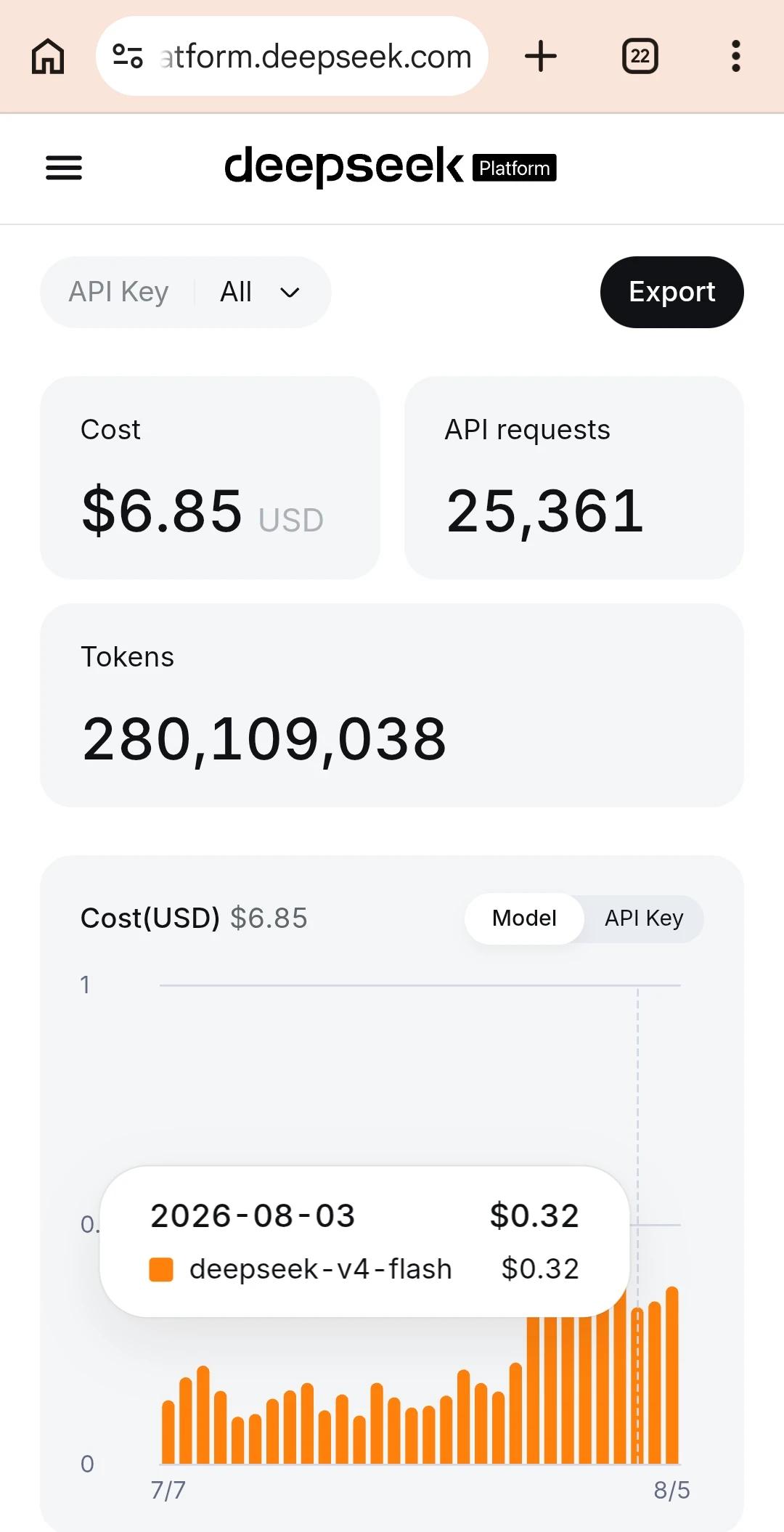
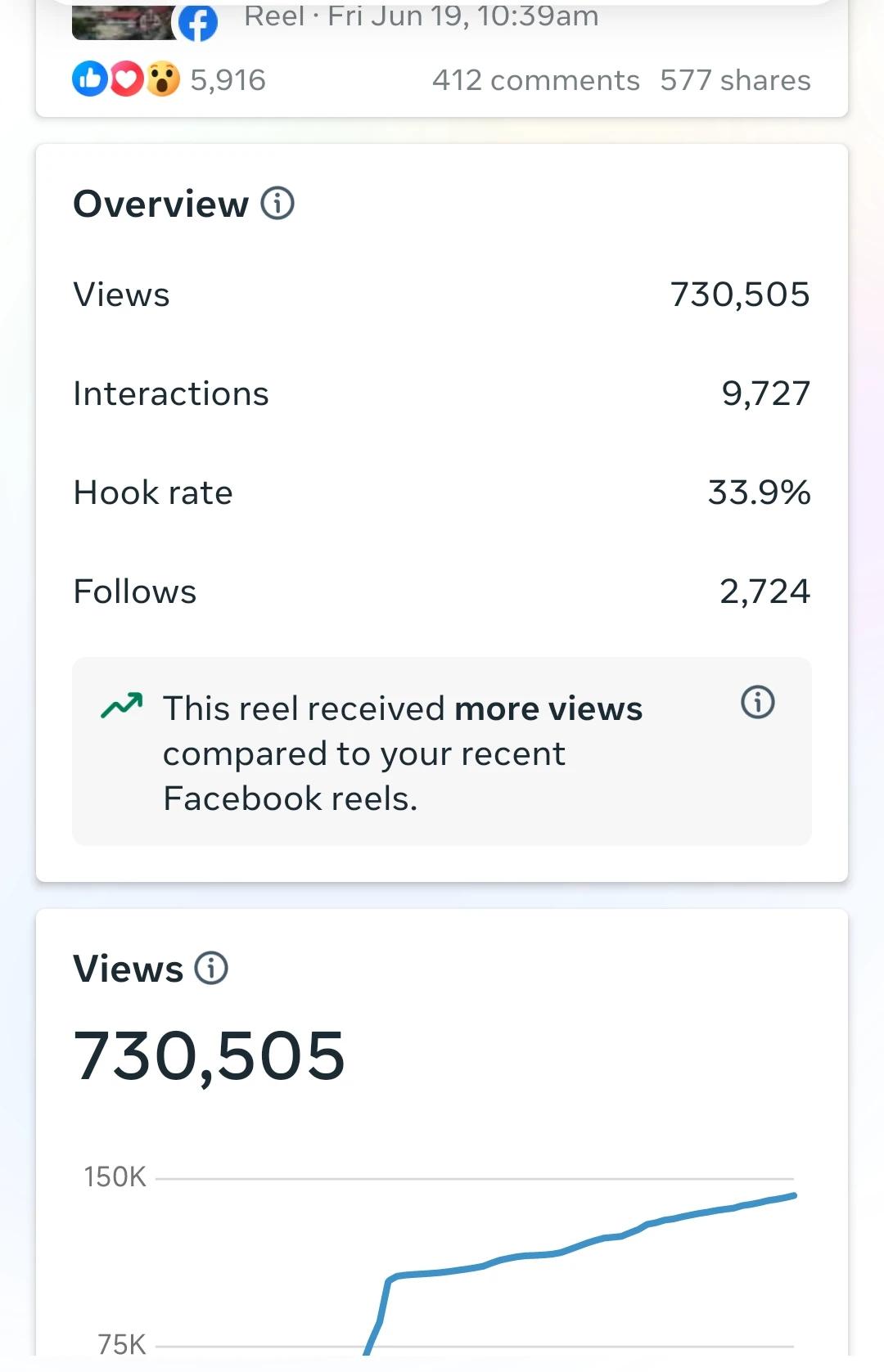
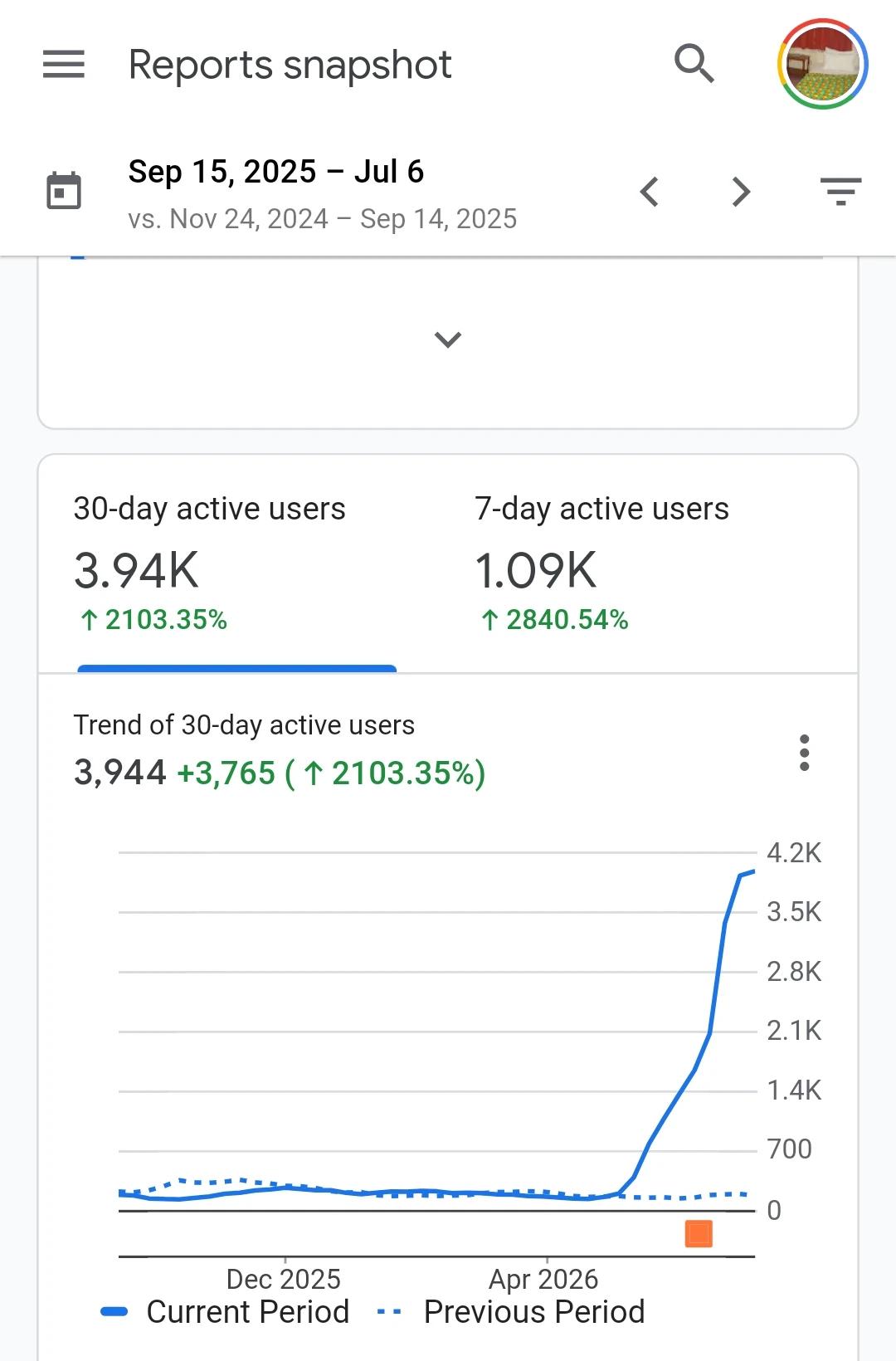
The numbers since then are not projections, they are bills and dashboards. One month of my Facebook inbox: 25,361 messages, 280,109,038 tokens, $6.85 total. One reel: 730,505 views, 33.9 percent hook rate, 2,724 new followers. Google Analytics: from a flat line to 3,944 monthly active users, up 2,103 percent. And the Facebook page sits at 44,682 followers. The same machine, the same order — because a laundry shop and a transient house are both B2C businesses where the customer messages first, and whoever answers first wins.
Why Your Laundry Shop Does Not Need a Chatbot Yet
Almost everyone selling AI to Filipino businesses right now sells the chatbot. It is the easiest thing to demo, and it is the wrong first purchase for most shops. The common advice should be the other way around: make your inquiries visible online first. You need the basic requirements for marketing and SEO — a website, a Facebook page, a Google Business listing — before you automate anything.
If you are not visible, you are not going to get sales. That is the main thing. Promote the social content so people actually become aware of the shop, the inquiries will come, and then — and only then — the AI chatbot steps in to answer them: price, location, pickup, everything else related to that.
Step One: Be Visible — Website, Google Business, SEO, Reels
A laundry shop does not grow by being closer than the shop down the street. It grows by being found first. Visible means three things working together: a fast website on a stack your AI can actually edit, local SEO and GEO so both Google and AI assistants recommend you, and daily content that keeps you in front of people.
The website part is not decoration. I left WordPress after 11 years because Claude Code cannot work inside WordPress — it needs files it can read and edit. On Next.js the whole site is a repo, so every page, schema block, and internal link is something I control directly. That is what makes daily content actually possible instead of a chore you skip.
For a laundry shop, the searches that matter are local: laundry shop near me, [shop name] review, magkano per kilo, may pickup ba. And the new one nobody is optimizing for yet — GEO. When someone asks ChatGPT or Gemini which laundry shop in their area will pick up and deliver, the answer comes from your website, your Google Business profile, and your posts. If those are empty, the AI recommends your competitor.
Step Two: Be Fast — Messenger and Meta Ads
Visible gets the message. Fast closes it. In a B2C business the customer goes to whoever replies first — not whoever has the friendlier staff, whoever replies first. It is 9 PM, she has a full hamper, and she messaged three shops. The one that answers in five minutes gets the load.
On Facebook there are four doors, and I wire every business I touch to answer behind all of them: Messenger auto-reply for every DM, comment-to-DM so a magkano po comment turns into a private conversation, click-to-Messenger ads that drop the lead straight into chat, and lead ads that follow up instantly. Meta ads work especially well for a laundry shop because the reach is local — you can target the exact barangays and subdivisions your pickup driver already covers.
This is also where the reel I mentioned lives. The 730,505-view reel did not go viral because it was fancy. I post a 10-second video every single day. Most people make three, see a few hundred views, and stop. Post daily long enough and one of them breaks out — and if you get millions of reel views, it will generate a lot of inquiries. When it does, the system underneath catches every person it brings in.
Step Three: Automate — When the Inquiries Are Flooding In
Now the chatbot earns its place. Once the shop is visible and the inbox is flooding, a bot is not a gadget anymore — it is your 24/7 employee, and it is not going to leave you. Mine runs on Node.js and LangGraph, answers in English, Tagalog, and Taglish, replies in seconds at 2 AM, and — the part owners are most afraid of — it tells people it is an AI. It cost me exactly zero bookings.
The model inside it matters as much as the setup. If you run a high-end model on every message, the bill will explode. I run DeepSeek V4 Flash with Vision — the most diligent and affordable option I have found for handling many inquiries, and it will not blow up your costs. The vision part matters for laundry specifically: customers send photos of stains, delicates, and special items, and the model reads them.
The part that makes it a long-term system instead of a toy: it starts with a real 100-question FAQ, and then every week we ask the data which questions still have not been answered. We address them one by one until it either clones you or gets better than you. I have been running mine for months, and I always ask the AI to surface the specific questions my business still cannot answer — that is how the software keeps improving and becomes customized for my own business.
The Mistake That Cost Me Real Money
My first chatbot ran on GPT-4o, and the bill exploded the moment volume climbed. That failure taught me the lesson most people miss: the model of AI is very important. You have to review the options carefully, check what is actually best, and make sure it is good for your costs — not just the smartest-sounding model.
The right split: premium models for judgment — content, SEO, strategy, the writing people actually read. Cheap diligent models for volume — the inbox, where the same question comes 25,000 times. Same business, both tiers, no romance about either. That split is how the whole machine costs $6.85 instead of a salary.
What This Actually Costs
Owners brace for this part expecting an agency retainer. The honest version: the pieces are small, and they compound. Here is the real breakdown, in the order you should buy it.
| Step | What it is | Cost to start | When to buy it |
|---|---|---|---|
| Be visible | Next.js website + Google Business + local SEO/GEO + daily content | Website from ₱3,999 one-time; content from ₱5,999/mo | Day one — always first |
| Be fast | Messenger auto-reply, comment-to-DM, Meta ads targeted to your pickup area | Ads from ₱500/day; setup is inside the chatbot plan | As soon as the page exists |
| Be automated | AI chatbot (Node.js + LangGraph, DeepSeek V4 Flash with Vision), lead automation, ads management | ₱2,499/mo all-in, 7-day free trial | Only when inquiries are flooding |
Who Should Not Do This Yet
If your shop is not visible yet — no website worth the name, a Google Business profile nobody has filled in, a page with no posts — do not build the chatbot this month. Build the website, the profile, and the daily posting habit first, and go earn the messages. If you already have an inbox full of half-answered messages and lost loads, flip the order and automate first. And if you will not post daily or keep the FAQ updated, none of this works; the bot is only as smart as the facts you give it.
The Proof
Screenshots, because numbers without receipts are just claims. Same machine, same business, same increase — B2C, first reply wins, exactly like a laundry shop.
The One Thing to Remember
Visibility is the main thing — if you are not really visible, you are not going to get sales. Once the repeating tasks become difficult, that is where AI automation comes into play. Visible first, promote so the inquiries flood in, then let the 24/7 employee answer them all. The laundry shop that stacks all three first wins its area — and the one that starts today is already ahead of the one waiting for next year.
AI Automation for Laundromats & Laundry Shops
The industry page for this exact business — per-kilo pricing, pickup scheduling, pickup-ready alerts, and the escalation rules for damaged items.
Tourism Crashed and a War Was On. I Rebuilt My Baguio Business With $20 of AI — Now I'm Booked Solid.
The origin story behind every number in this post — how the whole machine got built in the first place, during a crash.
How to Train a Chatbot on Your Business FAQs
What happens after step three — the FAQ system and the weekly loop that keep the bot improving until it clones you.
Frequently asked questions
How much does an AI chatbot cost for a laundry shop in the Philippines?
Will my customers be annoyed talking to a bot?
Can a chatbot handle laundry questions like per-kilo pricing and pickup scheduling?
Is AI-generated content bad for my laundry shop's Google rankings?
Do I need a big budget for Meta ads for a laundry shop?
When should my laundry shop actually build the chatbot?
Need this for your business? I build exactly this kind of system for small business owners.
AI Chatbot for Messenger →Want the same system for your business?
I'll set up AI automation for your business — just like I did for mine.