How to Hire an AI Automation Consultant in the Philippines: The Honest Buyer's Guide
If you are searching for how to hire an AI automation consultant in the Philippines, you are ready to spend money — and the market knows it. It is filling up fast with agencies, freelancers, and people who finished an AI course last month and now call themselves consultants. So this is the honest buyer's guide: the biggest risk, the red flags that should make you walk away, the exact questions that expose a fake on the first call, and the green flags of a real one.
Full disclosure, because it is the whole point: I am one of these consultants. So I am going to hand you the checklist to vet any of us — and that includes me. Use every question below on me. If I cannot answer it, do not hire me either. A buyer's guide that protects you only works if it is honest enough to be turned on its author.
The Biggest Risk: Tool Knowledge With No Business Knowledge
Here is how most owners get burned. They hire someone fluent in AI tools — every model, every platform, every buzzword — who has never actually run a business. That person can build you something that looks impressive and changes nothing, because the hard part of automation was never the tools. It is knowing which repetitive tasks actually matter, how marketing and sales really work, and where the time and money are leaking. A consultant who has run a real business knows what to point the AI at. One who only knows the tools is guessing with your money. That single gap — business experience versus tool knowledge — is the difference between a consultant who grows your business and one who hands you a clever toy.
Red Flags — Walk Away If You See These
These are the warning signs I would tell any fellow owner to watch for before signing anything.
- They cannot show you their own business running what they sell. If all they have is diagrams and talk — no real local business with real results behind it — they are selling theory. Ask to see it running, not drawn.
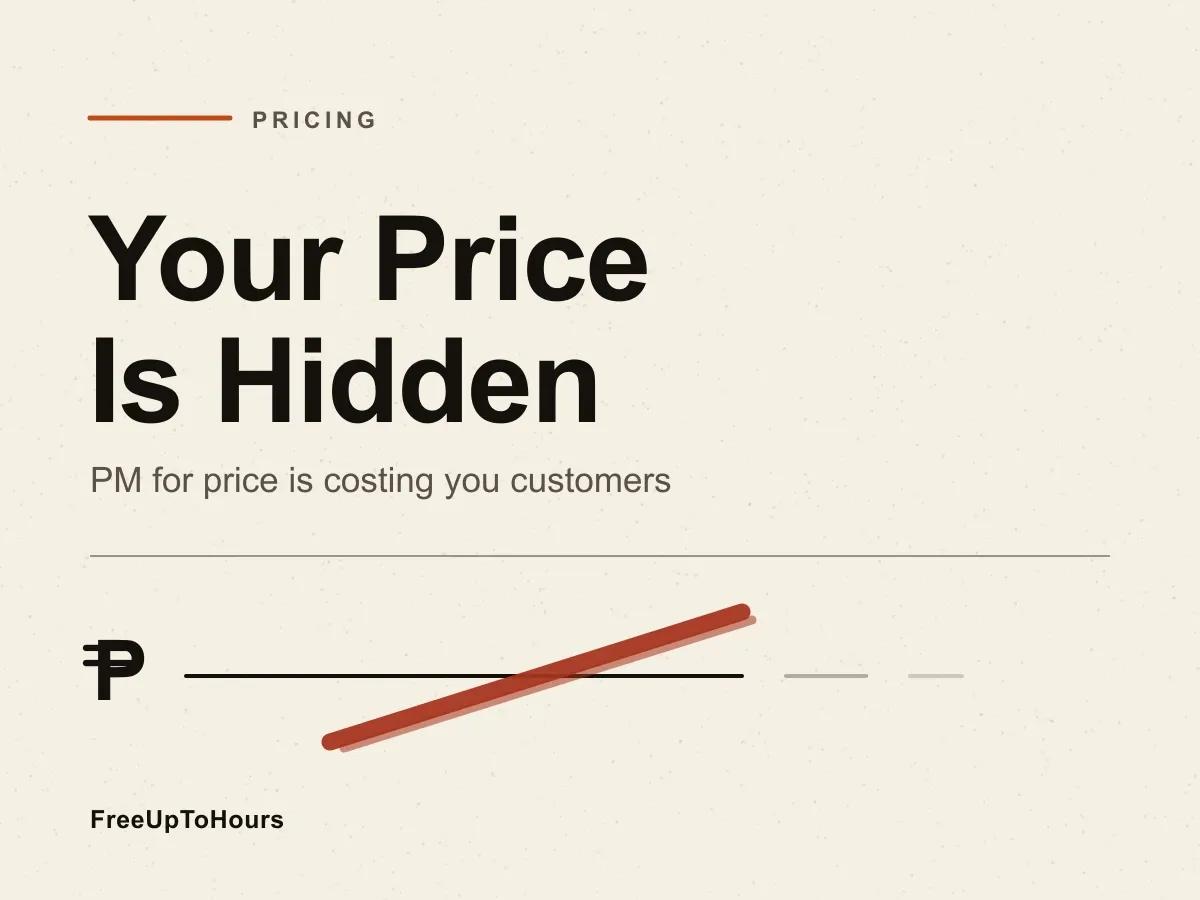
- They hide their pricing or quote vague ranges. No pricing is a manipulation tactic. It lets them read how much you can pay and charge accordingly once you are already in. A consultant confident in their value publishes a number.
- It is all tools talk and no business talk. Beware the "guro" who is up to date on every model and quotes impressive figures but cannot tell you whether any of it will actually help your specific business. Good numbers in a slide are not the same as growth in your business.
- They promise overnight results. Even with AI, real results take real work. Anyone guaranteeing a flood of sales next week is selling a feeling, not a system.
- They bait and switch to a junior. This one is personal — I saw it constantly in my years as a developer. The senior name sells the project, then a newcomer with little experience actually builds it, and the client never knows. You think you hired the expert; you got the trainee.
The Questions That Expose a Fake on the First Call
Turn those red flags into questions and ask them directly. A real consultant answers easily; a fake squirms.
- "Show me your own local business running this — not a diagram." A real one shows you a live business and how it performs with the automation. A fake changes the subject to architecture and theory.
- "What is your exact price, in writing?" A real one gives you a number up front as a head start. A fake stays vague so they can price you by how desperate you look.
- "Who actually does the work — you, or someone you will hire after I sign?" This is the dangerous one. Many agencies just pass your project to whoever they hired; you are lucky if the experienced person touches it. Get the answer before you commit.
- "What happens if it does not work?" A desperate consultant oversells and dodges. Someone with their own income coming in can afford to be honest about what is realistic — because they do not need to chase your deal.
Green Flags — What a Real One Looks Like
Now the positive checklist. These are the signs you have found someone worth hiring.
- A real local business running it, with results they will show you — and they share the experience openly instead of guarding secrets. You could even learn it yourself; they just save you the time.
- Published pricing. They put the number up front. If you do not like it, no pressure; if you do, you start a real relationship instead of a negotiation built on what they think you can afford.
- They do the work themselves. No hidden junior — the person you talked to is the person who builds it.
- Business and tech together, not just tools. They can talk about your leads, your sales, and your pain as fluently as they talk about the automation.
- They are not desperate for your deal. Their own business pays their bills, so they have no reason to oversell — which is exactly why you can trust what they tell you.
My Honest Disclosure — Use This on Me Too
I told you I would turn the checklist on myself, so here it is. I run a physical 15-room transient house in Baguio — you cannot fake a building that is standing in the city, and I will show you how it performs with the automation, not a diagram. My pricing is published on my pricing page, not hidden behind a sales call. I configure every system myself; there is no junior you will be handed to. And I have both sides — 11 years building on the web and 6 years operating a real business — not just tool knowledge. Ask me every question above. If I dodge any of them, do not hire me. That is the standard, and I am holding myself to it in writing.
Two Honest Paths: Learn It, or Hire It Out
Here is the part most consultants will not tell you, because it might cost them a sale: you may not need to hire anyone. There are two honest paths.
Learn it yourself. If you have some technical aptitude and the time, I will genuinely hand you the list of what to learn, and in about 90 days of real effort you can build a lot of this on your own. No gatekeeping — the knowledge is not the moat.
Or hire it out. If your time is worth more spent running your business, that is when you bring someone in — and you bring in someone who passes the checklist above. For me, that means I look at your actual pain first: what leads you have, whether we can realistically double them, what to automate, and how to build your brand authority so you get found and recommended. Strategy first, then the build. The honest filter is simple — if you have the time and the aptitude, learn it; if you do not, hire by the checklist, not by the pitch.
AI Automation Agency Philippines: The Honest Guide From a Battle-Tested Operator
The companion to this guide — what an AI automation agency actually does and whether it is worth it, once you have chosen who to trust.
When Should I Hire an AI SEO Expert? The 4 Signals It Is Actually Time
Not how to choose, but how to know when it is actually time to hire at all.
Tourism Crashed and a War Was On. I Rebuilt My Baguio Business With $20 of AI — Now I Am Booked Solid
The physical business behind my own green flags — the one you cannot fake.
Frequently asked questions
How do I hire an AI automation consultant in the Philippines without getting burned?
What are the red flags of a bad AI automation consultant?
What questions should I ask before hiring one?
Should I hire a consultant or learn AI automation myself?
Why does business experience matter more than AI tool knowledge?
Is it a bad sign if a consultant will not share their pricing?
Want the same system for your business?
I'll set up AI automation for your business — just like I did for mine.